
At Servier, patient-centricity is a fundamental principle driving innovation and collaboration. We sat down with Nicolas Garnier, Chief Patient Officer, to delve into how Servier integrates patient insights at every stage of the medicine lifecycle, fosters lasting partnerships, and envisions a future where patient engagement shapes the healthcare landscape.
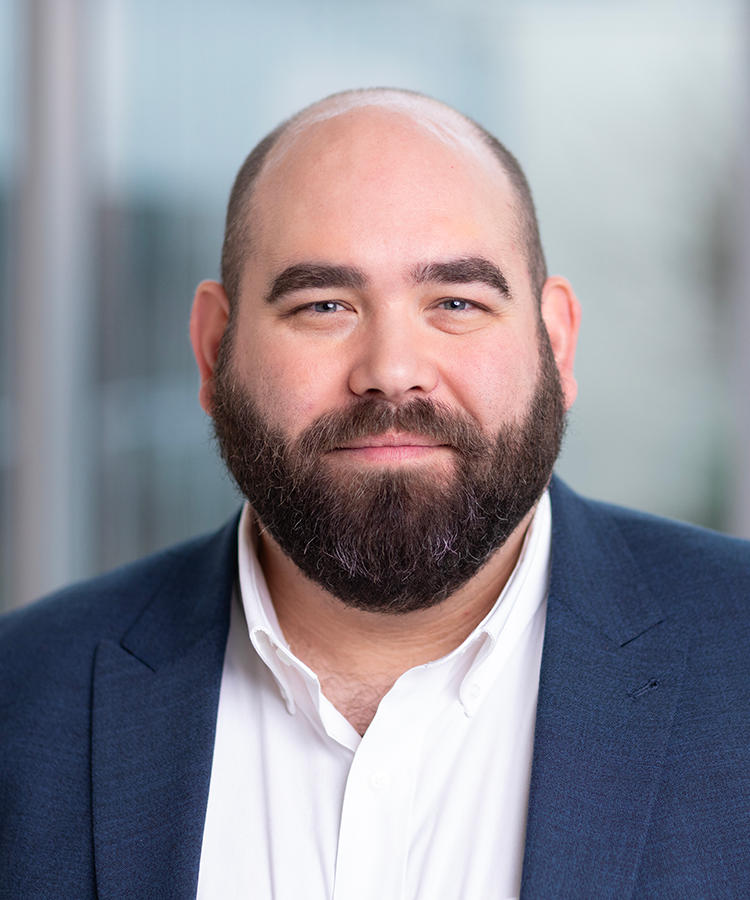
Q: What does it mean to be patient-centric at Servier?
N.G.: At Servier, being patient-centric means we include patients at all stages of the medicine’s life cycle. We aim to ramp up the speed with which we develop treatments that significantly improve patients’ quality of life. We bolster areas of expertise where we are currently lacking or directly leverage patient knowledge, which is essential to understand their expectations. We believe the best way to achieve fast-paced innovation oriented to meet patient needs is through collaboration and constant dialogue between those involved in healthcare in the public, private, and non-profit sectors.
We seek to foster collaborative relationships to ensure the project succeeds. This approach has led us to work with 316 patient associations, ensuring diverse input and collaboration.
To be clear, patient centricity is not a project or an activity. It goes beyond that. It is a mindset, a culture. On the other hand, patient engagement has risen to the level of being a science, and sometimes an art, that is codified, professional, with its codes, literature, experts. It is a booming field actually and we intend to be at the forefront of this global phenomenon.
Q: What makes Servier a trusted ally for its stakeholders?
N.G.: Our unique governance model through a foundation allows us to take a long-term vision. This governance structure enables us to focus entirely on fulfilling our vocation as a Group committed to therapeutic progress to serve patient needs. This means we are fully dedicated, in a sustainable way, to discovering and delivering innovative solutions for patients. We take a people-oriented approach to our partnerships, focusing on creating mutually beneficial collaborations. We strongly believe that constant dialogue and listening to one another create the right conditions for innovation. Servier’s commitment to patient engagement is reflected in our achievements, such as being ranked 1st worldwide among 28 companies by oncology patient associations and integrating the top 10 of 46 companies in patient association overall rankings.
Q: Servier’s approach to patient engagement is unique. Why?
N.G.: For us, Patient Engagement’s means purposeful, timely collaboration where patients actively inform, shape, and co-create care, research, and innovation through ongoing dialogue that drives decisions, aligns with real needs, and builds lasting trust.
In that regard, our foundation status gives us greater scope for long-term projects and developing long-term relationships with patient groups.
For example, even though we do not have treatment available at the moment for Rare Diseases outside of rare cancers, we are building our relationship with Eurordis, the European alliance of over 1,000 rare disease associations in 74 countries, because we have a 10-year vision, and we aim to eventually bring hope to underserved patient in rare neurology, thanks to our R&D pipeline. Our “patient engagement” ambition began with a “learn by doing” approach and a freedom to explore. Our Patient Advisory Councils are made up of patients representing various pathologies, reflects our open-minded approach, where we truly seek to learn and understand.
This open-mindedness is a strategic strength. For instance, to discuss hypertension with patients, some subsidiaries work with transplant patient associations, as hypertension is a comorbidity of renal failure. In some regions of the world where Patient Organizations are not officially formed yet, our teams engage with patients thanks to patient discussion groups organized in treating center, to hear directly from patients about their needs, preferences, and expectations. We also have the capacity to be hyper-targeted and strategic, as seen in our work with glioma patient associations, where 100% of associations are represented on our patient committee. This reflects our concern for inclusion, fairness, representativeness, and relevance.
Our Patient Advisory Council CMVD includes patients from 17 countries across 5 continents, showcasing our commitment to diversity and inclusion. We are proud of this because diversity and inclusion are rich, just causes and can also be sources of unique learning. Additionally, 100% of our lay summaries are validated by patient representatives and translated into the languages of all participating countries, ensuring clarity and accessibility.
Q: What are your short-term goals?
N.G.: Our short-term goals include achieving 100% of our therapeutic areas represented by Patient advisory councils, 100% of our clinical trial protocols be developed with patients, 100% of our “beyond-the-pill” solutions be developed with patients.
We need representativity and diversity in clinical studies, a challenge we must address in collaboration with patient associations. We aim to establish Patient Advisory Councils (PAC) in all our therapeutic areas. In the longer term, we will also consider societal changes in our relationships with patients, addressing social and economic determinants of health and the need for equity in access to clinical trials. In 2023/2024, 71% of our clinical research programs obtained patient feedback, and 100% of informed consents for clinical study participants were reviewed by patients, showcasing our commitment to patient involvement.
Q: How do we envision the future with patients at Servier?
N.G.: We envision a future where patients are integral to every aspect of our work. And that’s also why “patients” is one of the three pillars, Patients; People; Planet; of our CSR and Sustainability roadmap that fuel our day-to-day actions. We will continue to build and strengthen our relationships with patient associations, ensuring their voices are heard and their needs are met. By fostering collaborative relationships and maintaining constant dialogue, we aim to create innovative solutions that truly improve patients’ lives. Our commitment to inclusion, diversity, and representativeness will guide our efforts as we navigate the evolving landscape of healthcare.