Matt and Rebecca’s fight against disease
Back in 2007, a little more than 12 years before they met, Rebecca’s husband Matt received his diagnosis. He learned the news in the hospital parking lot after a CT scan: he had grade 2 oligodendroglioma, a rare and complex form of brain tumor that mainly affects adults. This was followed by years of treatment including chemotherapy, awake craniotomy, and radiotherapy. In addition, he was actively monitored by the medical teams, with whom Rebecca now also maintains a close relationship, as she is fully involved in decisions, which is rare. Unfortunately, he suffered a relapse in 2020, shortly after his marriage to Rebecca. This marked a turning point in their life together.
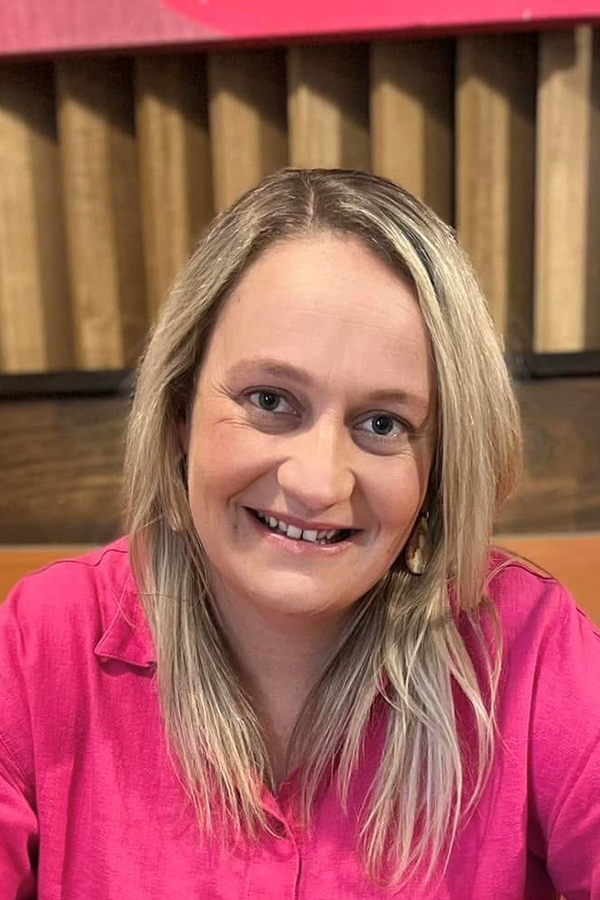
“I was already aware of the situation through my involvement with the association, so I knew this could happen. But you never really understand the impact until you are confronted with it directly”, says Rebecca about her role as a caregiver.
Fortunately, she can count on her friends and family and on a “navigator,” a resource person provided by the nonprofit: “It’s a real blessing, because most caregivers are on their own with very little information and use search engines as their only resource. The treatment caused more damage than the tumor itself: memory loss, difficulty speaking, weakness on the right side. Nevertheless, we had no choice but to deal with it”, explains Rebecca.
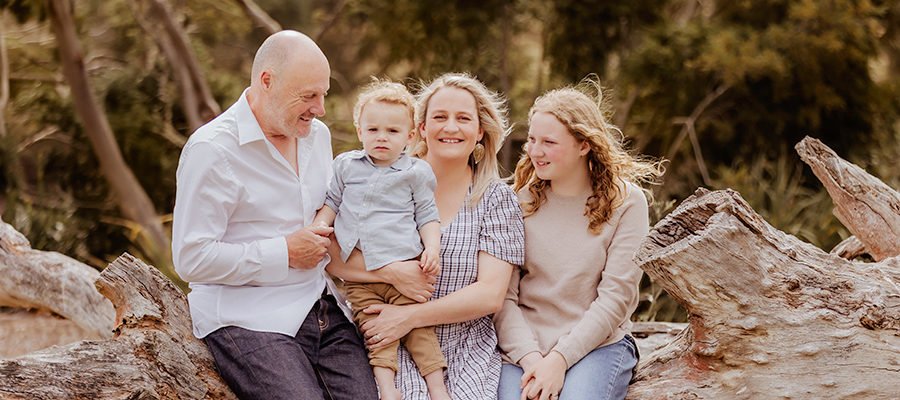
“People often ask me how my husband is doing, but rarely how I am doing”
Being a caregiver is a full-time job. Every day, Rebecca has to manage the entire household on her own. Shopping, managing finances, medical appointments, coordinating assistance: her professional life was significantly affected by her caregiving responsibilities at home. As her husband’s condition and deficits have worsened, Rebecca must now step down from her full-time role leading the foundation. Her relationship with her partner is also changing. It is not uncommon for her to have to hide her emotions, taking care not to trigger any stress that could worsen Matt’s condition. “Seeing your spouse decline is extremely painful. The doctors have warned me several times that he could lose his ability to speak”, she says emotionally. Her advice? Accept help.
“We must accept help. It’s difficult, but essential. It’s impossible to measure the cognitive, emotional, and psychological burden of caring for a brain cancer patient, with the personality changes that are involved. There is a need for full awareness, as well as clear information, provided directly by healthcare professionals to the patient and their loved ones.”
Patient voices: Living with glioma
Through a collection of personal testimonials, Servier wishes to shine a light on people living with brain tumors, particularly glioma, a rare form of brain cancer.
In this publication, Marcus, Rebecca, Dirk, John, Nick and Ashley tell their stories, share their journeys and describe their fight against disease. Beyond the stories it tells, “Patient voices: Living with glioma” illustrates the Group’s desire to always place patients at the heart of oncology research and development.