
I don’t remember exactly what day it was. Just that I couldn’t breathe properly. My chest was tight, and my thoughts were all over the place. Regardless, a part of me thought everything was fine and that I only needed to rest. Maybe drink some water.
I had been feeling a little off for weeks — tired, low on energy, not quite myself. But that morning was different. Everything felt heavier, more intense, like my body had reached its limit.
When the ambulance arrived, I couldn’t even stand. The paramedic pricked my finger to check my blood sugar. “580,” he said. That number became the dividing line between two lives: the one I had before, and the one that began after.
My name is Beatriz. And I’ve been living with diabetes since I was 24.
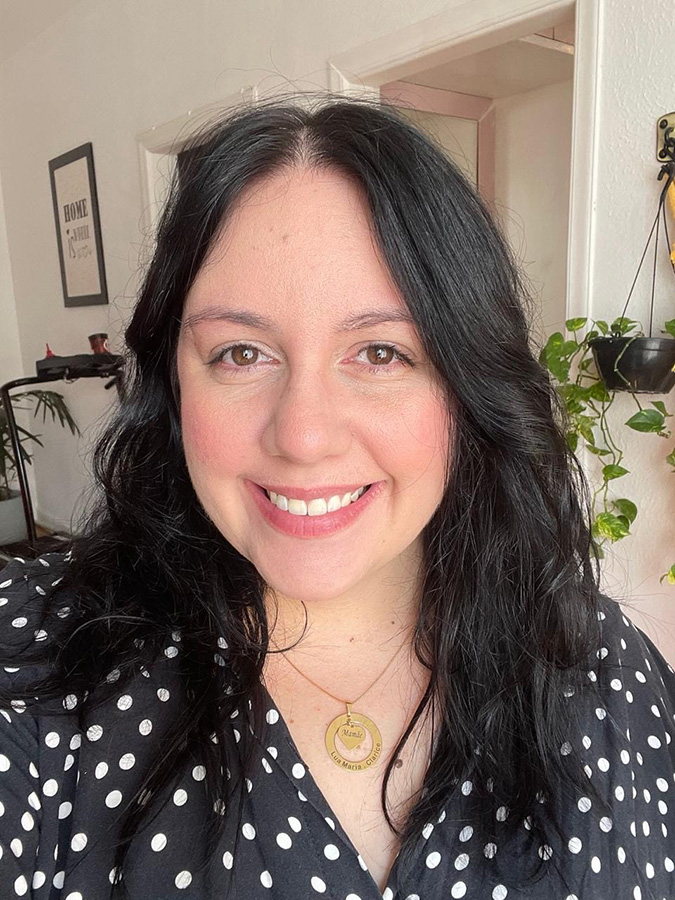
When everything still felt normal
I never imagined diabetes would be part of my story. But it is.
It all started in 2015. I was 24, just living my life like anyone in their mid-twenties. A few months earlier, I’d done a routine blood test that showed slightly elevated blood sugar. The doctors weren’t too concerned. “Just take care of your diet and exercise more,” they said.
So that’s what I did. I committed to a healthier lifestyle. I started watching what I ate and followed their advice. But despite my efforts, something felt off. I was losing weight fast.
I constantly felt nauseous, had abdominal pain, and my body was clearly trying to tell me something wasn’t right.
I didn’t know it yet, but I was already living with diabetes.

The day everything changed
It was an October morning I’ll never forget. I woke up feeling incredibly sick, worse than I had ever felt before. I was vomiting, dizzy, weak, and overwhelmed by a deep sense of discomfort. It felt like my body was shutting down from the inside.
So, I went to the hospital hoping to get answers and understand what was going on. They ran a few tests, but no one checked my blood sugar. They sent me home, diagnosing me with a stomach infection, one I never actually had.
As the day went on, things got worse fast. I could no longer stand up. My breathing became fast and shallow. I started feeling confused, like my mind couldn’t keep up. That’s when I called my mom and told her, “We have to go back to the hospital.”
She called an ambulance, and when it arrived, I remember the paramedic pricking my finger to check my blood sugar. It was 580. That number hit me hard. “Oh my God,” I said. “I have diabetes, and my glucose is really high.”
The doctor confirmed my condition was serious. I had to go to the ICU. But because of health insurance complications, there wasn’t a bed available for me right away. That’s when the doctor made a quick decision. She told my mom: “We’ll put you in a taxi. Go to the nearest hospital. No hospital can deny care in this situation.” So that’s what we did.
It really did feel like a movie. I was in a wheelchair, barely able to move. My mom and the taxi driver helped me in. I remember the hospital doors opening, nurses rushing toward us, and everything happening so fast.
After that, everything is a blur. Just flashes: voices calling my name, bright hospital lights, machines beeping.
The name behind the numbers
The next day, the doctors came to speak with me. That’s when they gave it a name: diabetic ketoacidosis, and then another: pancreatitis.
I was shocked, especially by the second. I had no risk factors for pancreatitis. I didn’t drink alcohol, and I wasn’t taking any medication that could have triggered it. But in the end, it was diagnosed as idiopathic.
I spent 15 days in the hospital, with seven or eight of them in the ICU. Those were tough days, both physically and emotionally. For several of them, I couldn’t eat or even drink.
I remember how intense the abdominal pain was. I remember how close I was to being intubated, and how the IV site in my arm ended up causing an infection. At one point, the doctors told me I was close to falling into a coma.
And yet, I made it through. I recovered well, better than anyone expected, without any lasting effects or complications.
Rewriting what diabetes meant to me
Once I was stable, the doctors started running more tests. At first, they thought I had type 1 diabetes. But after running antibody tests and more detailed exams, they confirmed I actually had type 2. That made sense knowing my background, my genetics, my family history. My mother has type 2. My father had it too. So did my grandparents and uncles.
But knowing that didn’t make it any easier to accept. Still, hearing the words out loud felt heavy; because for me, diabetes wasn’t just a condition, it was a memory, a fear, a loss.
My father passed away from diabetes complications when I was just 15. And now, here I was, living with the same diagnosis.
That thought haunted me in the beginning. When I got diagnosed, I thought: “It’s happening again. Everything that happened to my dad is going to happen to me.”
It took time to accept it. But I slowly started to understand something important: diabetes has treatment. And today, the treatment is much more advanced than it was ten or twenty years ago.
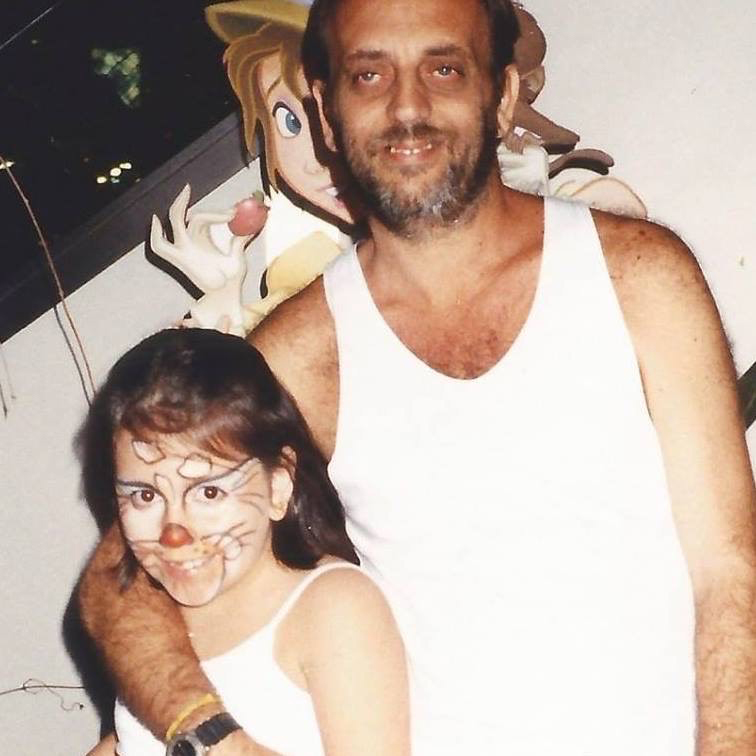
I started treatment using insulin for a long time and eventually switched to oral medications. I realized I could have a different story. I didn’t have to go through what my father went through.
This year, it’s been almost ten years since I was diagnosed. I still go to my regular appointments, I get my bloodwork done, and I manage my blood sugar carefully.
I know now that living with diabetes doesn’t mean giving up on life; it just means learning to live it differently; and maybe, even more fully.