Read the interview with Alice de Queylard, Chief Innovation Officer at the PSCC, and Nathalie de Préville, Director of Public-Private Partnerships at Servier.
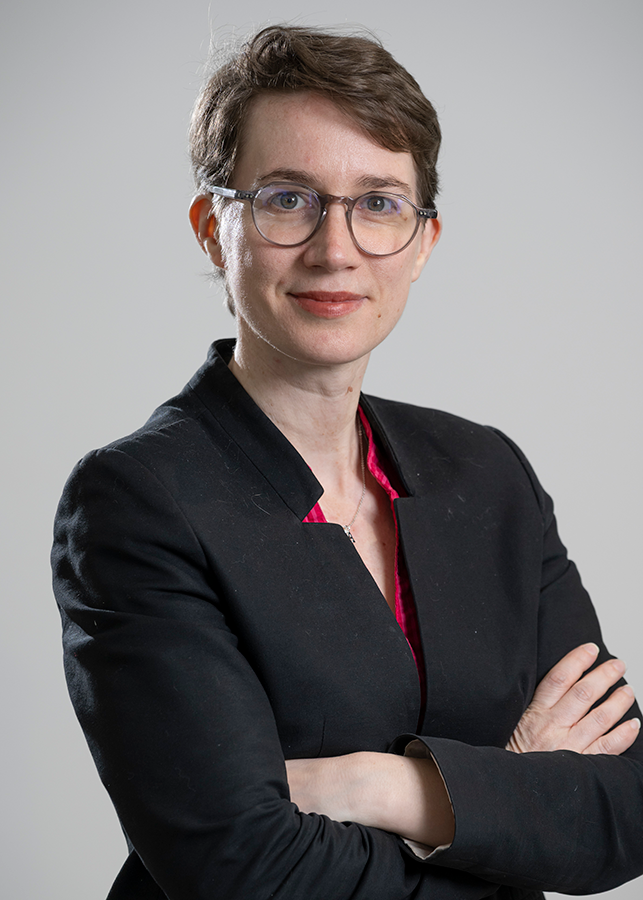
Alice de Queylard: The Paris Saclay Cancer Cluster (PSCC) is a biocluster focused on oncology. Established not far from the Gustave Roussy Institute, its goal is to accelerate the industrial development of cancer innovation. For us, collaborating with a global pharmaceutical player like Servier is strategic. From the very beginning, we invited industrial leaders to take a role in our governance. Servier’s expertise helps us set goals that are aligned with the ecosystem’s needs and to guide our investments.
Nathalie de Préville: For Servier, this was an obvious choice for a partnership. It follows a logic that differs from traditional public-private partnerships focused on pre-competitive projects. With the PSCC, we share a mutual commitment to breaking down barriers to accelerate therapeutic innovation in oncology, which is one of the priorities of our Servier 2030 strategy. At Servier, we are convinced that for R&D to be high performing, it must be collaborative. Since the creation of the PSCC, we have opened our doors and decided to support this ecosystem. A solid partnership relies on a clear common goal. In this case, it is about accelerating the industrialization of innovative scientific projects.
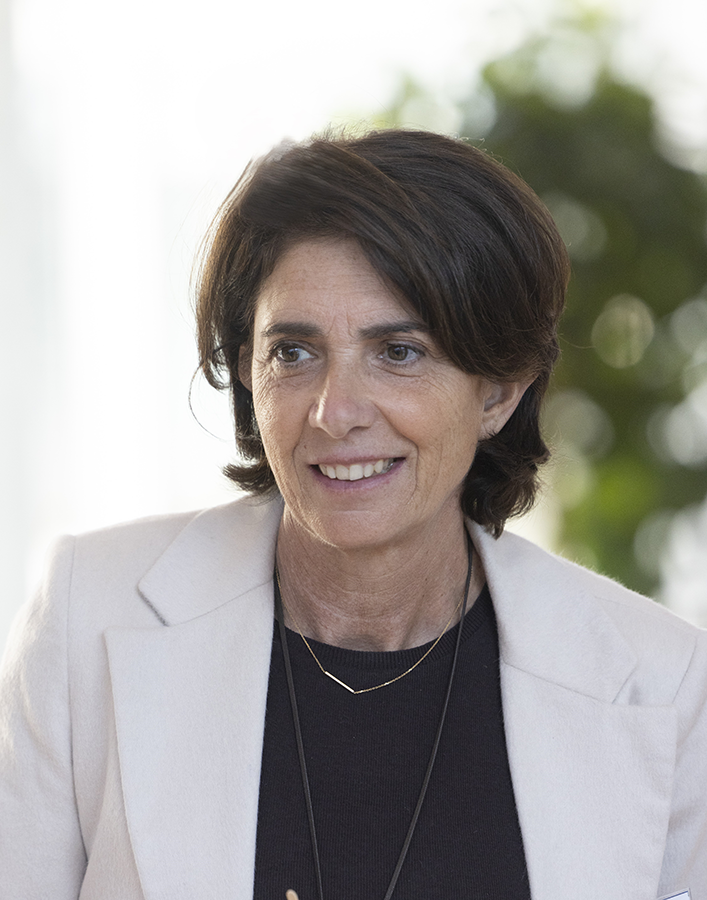
Alice de Queylard: This shared goal is essential, and the way we collaborate is just as important. We have been very positively impressed by the transparency that has been established between the teams. Exchanges are smooth and balanced. The March 24 event is a good illustration of this, where there was a true spirit of sharing regarding the projects presented and the common challenges. The start-ups we accompany also benefit directly from the expertise of Servier’s teams. While they are built on a solid scientific foundation, the industrial development of their innovations requires other skills. Our partnership gives them access to key pharmaceutical industry expertise: clinical development, quality, regulatory affairs, and market access strategies.
Nathalie de Préville: It was in this spirit that we organized a “”Challenge Day” last year, which allowed us to identify start-ups that could benefit from pharmaceutical industry expertise. Some then joined the Spartners by Servier & BioLabs incubator, accessed our infrastructure, or initiated collaborative projects with our teams. We intend to continue this in-house mobilization, even beyond R&D.
Alice de Queylard: Long-term continuity is indeed essential for building a collaboration based on trust.
Nathalie de Préville: Rest assured, more Challenge Days will be organized in Saclay, along with new opportunities for discussion. There is no stopping now!
When the PSCC and Servier talk about digital twins and foundation models in cancer Research
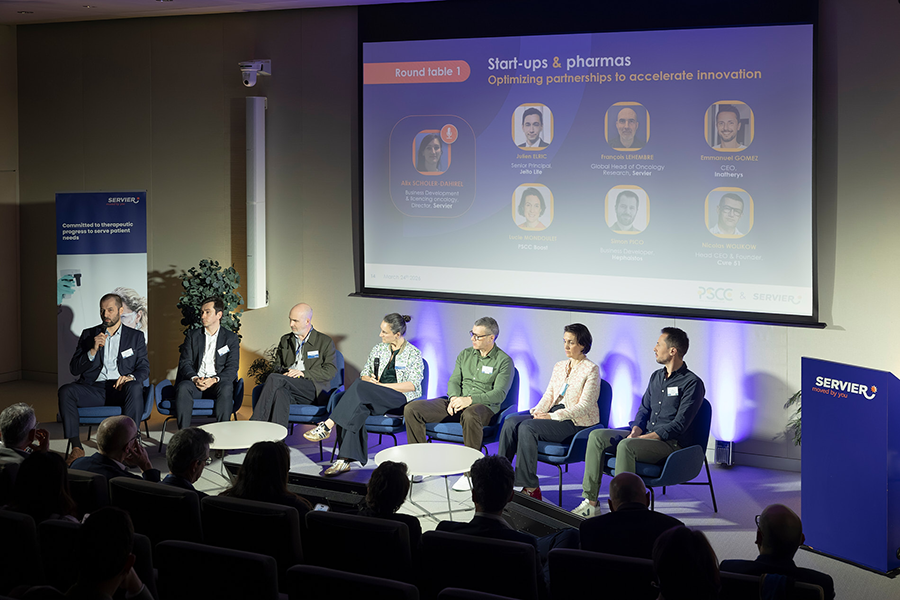
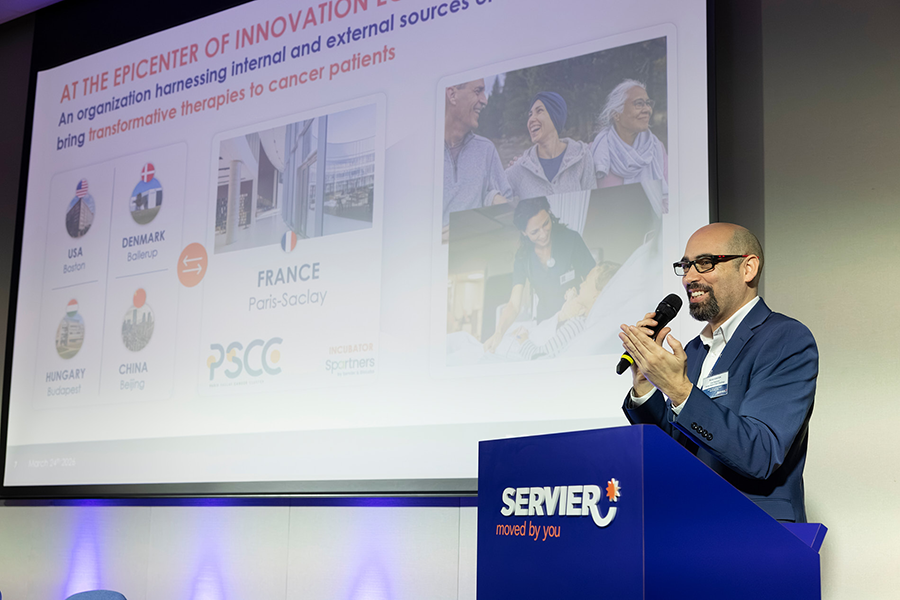
The day of discussions on March 24, bringing together scientists, entrepreneurs, and academic teams, illustrated the maturity of the partnership between the PSCC and Servier. Under the leadership of Walid Kamoun, Head of Oncology R&D at Servier, and Benjamin Garel, CEO of the PSCC, the teams highlighted the progress made during two years of collaboration and the mobilization of Servier experts from various fields (R&D, Industry, Market Access, Regulatory Affairs).
And among the key themes discussed? Digital twins and foundation models in oncology. A digital twin (or a foundation model) is a virtual, dynamic replica of an organ or a tumor, used to simulate biology or the progression of the disease and support precision medicine. Ensuing discussions emphasized their potential for modeling tumor biology, identifying new therapeutic targets, and creating synthetic control arms in clinical trials. Such prospects pave the way for the progressive integration of these technologies into research and development protocols.